
Quality Mineral Specimens for Sale | Mineral Dealers You Can Trust
FREE UK Shipping
Honest Descriptions
Accurate Photos
Fair Prices
Accurate Photos
Fair Prices
Secure Payment
Paypal Verified
Paypal Verified
Trusted by Google
Discover fine mineral specimens for sale from a trusted UK mineral dealer specialising in collector-quality crystals and rare minerals. At The Assay House, we offer carefully selected specimens from classic worldwide localities, chosen for their aesthetics, quality, and geological interest. Whether you are building a collection or searching for a standout display piece, explore our range of minerals available for worldwide shipping.
Shop Minerals Fluorite Specimens Quartz Crystals Calcite Specimens New Minerals Country Profiles Collecting Guides
NEW MINERAL SPECIMENS


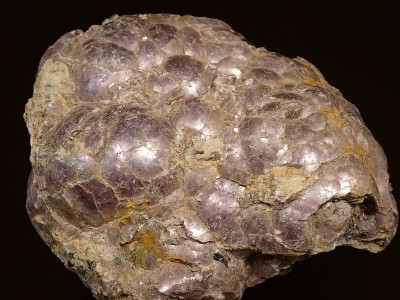
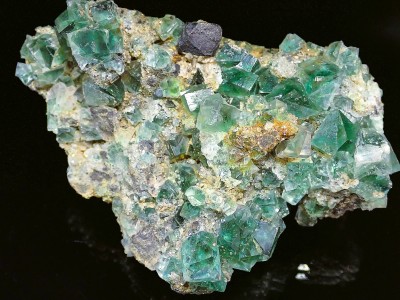


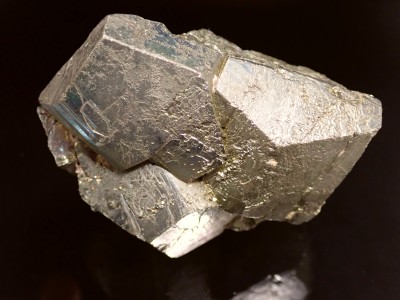


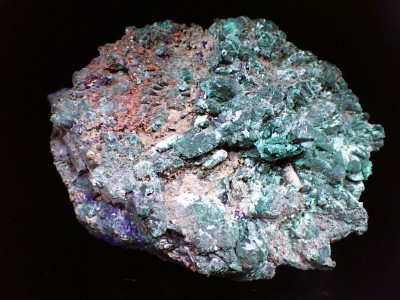

FEATURED SPECIMENS


Search for Minerals and Locations

REVIEWS
Just wanted to drop you a line to say that I received my last order of 11 specimens. All fantastic, so thank you. I have been looking at your site recently and my list gets longer every time!!
GRAVESEND, ENGLAND
GRAVESEND, ENGLAND
Your order turn is amazing. I ordered a Calcite from you on the 6th April and it arrived yesterday in Hampton, the 12th. I only wish our US dealers could manage the same quality service.
HAMPTON, SC, USA
HAMPTON, SC, USA
Really nice to meet people so honest on the web. You are people I really trust. Thank you once again for my specimens. I will keep an eye on your site for more excellent minerals.
CHAMPS SUR MARNE, FRANCE
CHAMPS SUR MARNE, FRANCE
Thank you for sorting out this complex order. You took care of every detail as promised. I highly recommend your service to all my colleagues in the Geology Department.
OVIEDO UNIVERSITY, SPAIN
OVIEDO UNIVERSITY, SPAIN
My package arrived safely today. Excellently packed and very good specimens, as described in your website, which is the best minerals online shop I have encountered to date.
BRISTOL, ENGLAND
BRISTOL, ENGLAND
After buying from you for almost three years, I just wanted to let you know that you continue to delight me with the specimens I receive. Keep up the good work.
ONSLOW, WESTERN AUSTRALIA
ONSLOW, WESTERN AUSTRALIA
I just wanted to express my delight with the specimens you sent. They were extremely well photographed and precisely described. I will definitely recommend you to our club members.
SCOTTSBLUFF, NEBRASKA, USA
SCOTTSBLUFF, NEBRASKA, USA
My minerals arrived safe and well. Everything was as expected – superbly presented and packaged, and the highest quality specimens. The Caradon copper was an extremely fine example.
BRUNSWICK, GEORGIA, USA
BRUNSWICK, GEORGIA, USA
Thanks for the usual high standard in every aspect of your service. The minerals themselves are exactly as described and always top quality. I have never been disappointed by you.
NOTTINGHAM, ENGLAND
NOTTINGHAM, ENGLAND
Outstanding customer service and super quick response to questions. Great specimens and prices, packaging and delivery. Highly recommended, I give you eleven out of ten!!!
TORINO, ITALY
TORINO, ITALY
I was amazed that you found me a specimen of Jimboite. And it wasn't some crummy old piece of junk, but a lovely crystalline example. Thanks and keep it up chum!
PLZEN, CZECH REPUBLIC
PLZEN, CZECH REPUBLIC
What an absolutely stunning website! You beat everyone else hands-down. The specimens I received were even better than the photos and such great value for money.
EDMONTON, CANADA
EDMONTON, CANADA
CONTACT US
- 20 Raeburn Way, Sandhurst, GU47 0FH, United Kingdom
- +44 (0)7545 461 749
- contact@theassayhouse.com
INFORMATION
MY ACCOUNT
SOCIAL MEDIA
©
2001 - 2026
The Assay House